

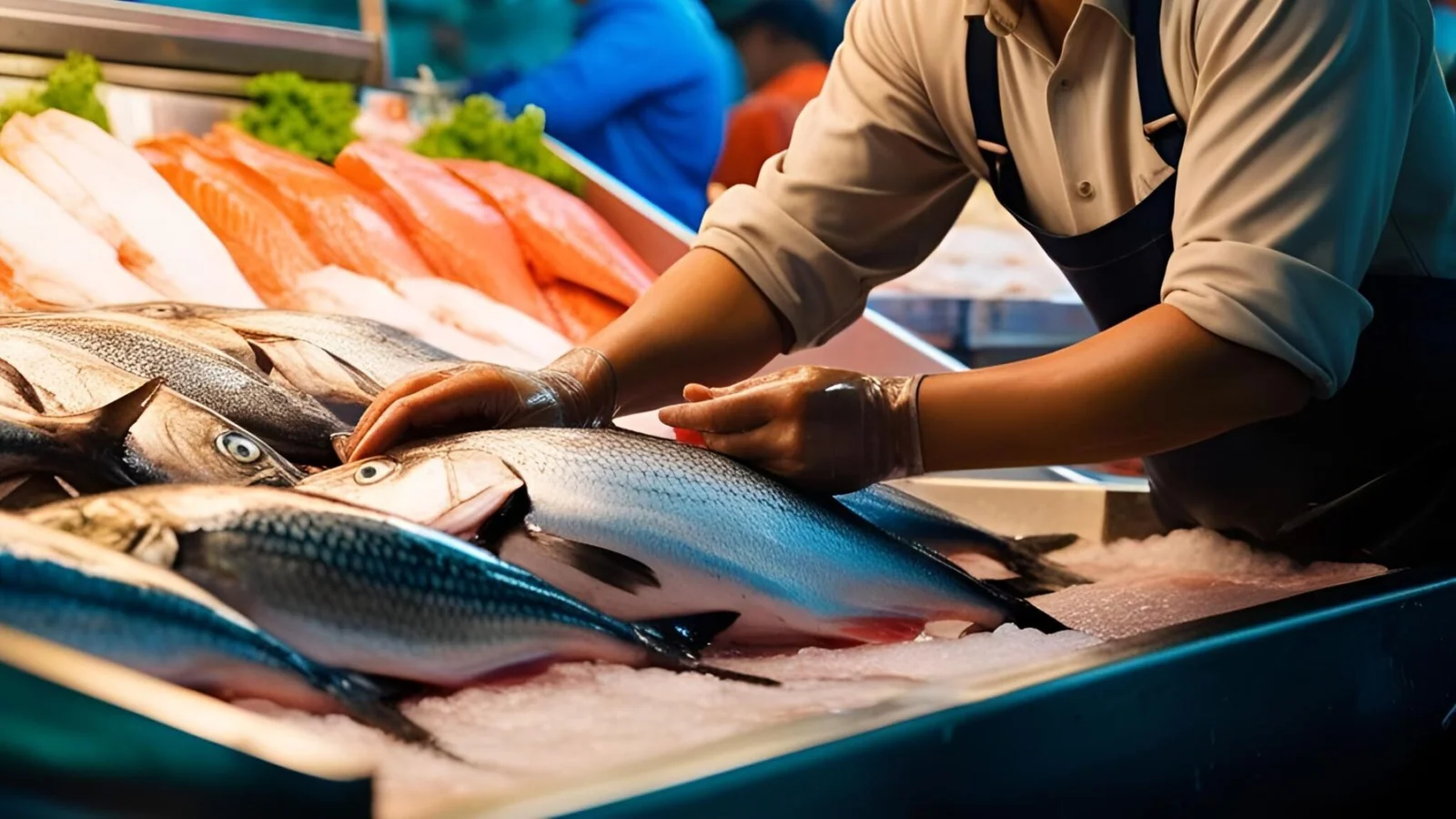
Fresh fish is essential for quality, taste, food safety, and customer satisfaction. Whether you are a seafood importer, distributor, restaurant owner, or everyday buyer, knowing how to identify fresh fish helps you avoid low-quality products and ensures you get the best seafood available.
At CAMAR EXPO, we focus on supplying high-quality seafood from Ecuador while maintaining strict freshness and quality standards throughout the export process.
Why Fish Freshness Matters
Fresh fish offers:
- Better flavor and texture
- Higher nutritional value
- Longer shelf life
- Improved food safety
- Better customer satisfaction
Poor-quality or improperly handled seafood can spoil quickly and lose its commercial value.
How to Identify Fresh Fish
1. Check the Eyes
Fresh fish should have:
- Clear eyes
- Bright appearance
- Slightly bulging shape
Avoid fish with:
- Cloudy eyes
- Sunken eyes
- Dry or dull appearance
Clear eyes are one of the strongest indicators of freshness.
2. Smell the Fish
Fresh seafood should smell:
- Mild
- Clean
- Similar to the ocean or seawater
Avoid fish with:
- Strong fishy odor
- Sour smell
- Ammonia-like smell
A strong odor usually indicates the fish is no longer fresh.
3. Examine the Gills
Fresh fish gills should be:
- Bright red or pink
- Moist
- Clean-looking
Avoid fish with:
- Brown gills
- Gray coloration
- Slimy texture
The gills are one of the fastest ways to assess freshness.
4. Look at the Skin and Scales
Fresh fish typically has:
- Shiny skin
- Metallic appearance
- Tight, firmly attached scales
Avoid fish with:
- Dry skin
- Loose scales
- Discoloration
Healthy skin usually indicates proper handling and storage.
5. Test the Flesh
Press the fish gently with your finger.
Fresh fish flesh should:
- Feel firm
- Bounce back quickly
- Maintain its shape
Avoid fish if the flesh:
- Feels mushy
- Leaves deep fingerprints
- Separates easily
Firm texture is a key sign of freshness.
6. Check for Excess Slime
A small amount of clear slime is normal in fresh fish.
However, avoid fish with:
- Thick slime
- Sticky coating
- Milky residue
Excess slime can indicate bacterial growth or spoilage.
7. Observe the Belly Area
The belly should:
- Remain intact
- Look firm
- Have no swelling
Avoid fish with:
- Burst bellies
- Soft abdomen
- Leaking fluids
Damage in this area often suggests poor storage conditions.
How Fresh Fish is Maintained During Export
At CAMAR EXPO, seafood freshness is preserved through:
- Rapid processing after harvest
- Hygienic handling procedures
- Blast freezing technology
- Cold-chain logistics
- Temperature-controlled storage and shipping
Maintaining consistent temperatures during transportation is critical for international seafood exports.
Common Fresh Seafood Products from Ecuador
Ecuador is globally recognized for premium seafood products such as:
- Tuna
- Mahi-mahi (Dorado)
- Swordfish
- Shrimp
- Tilapia
- Frozen fish fillets
These products are exported worldwide under strict quality standards.
Tips for Seafood Buyers and Importers
When sourcing seafood internationally:
- Work with certified exporters
- Verify cold-chain handling
- Request quality certifications
- Inspect packaging conditions
- Confirm processing standards
Reliable suppliers help reduce quality risks and improve customer satisfaction.
Why Choose CAMAR EXPO?
CAMAR EXPO supplies high-quality seafood products from Ecuador with a focus on freshness, quality control, and international export standards.
We provide:
- Reliable seafood sourcing
- Quality-controlled processing
- Export support
- Cold-chain logistics coordination
- International shipping assistance
Contact CAMAR EXPO
If you are looking for reliable seafood exports from Ecuador, contact CAMAR EXPO for premium seafood sourcing and export solutions.